0%

Loading Revolutionary Mindsets

  1. Home
  2. Services

Services

Six disciplines, one team, one invoice

Most studios do one of these well and subcontract the rest. We kept all six in-house so the design survives the build, the copy fits the interface, and the thing you launch is the thing you signed off on.

01 — Web development

Websites and web apps that stay fast under real traffic

Marketing sites, product dashboards, internal tools and everything between. We write semantic markup, set a performance budget before the first commit, and hold to it — because a beautiful page that takes four seconds to paint is a page nobody sees.

  • Server-rendered by default. Client-side routing only where it earns the extra weight.
  • Tested at the edges. Slow connections, old phones, and the browsers your analytics say you actually have.
  • A CMS you will actually use. Or flat files, if that is genuinely simpler for your team.
  • Responsive build
  • Analytics wiring
  • SEO foundations
  • Handover docs
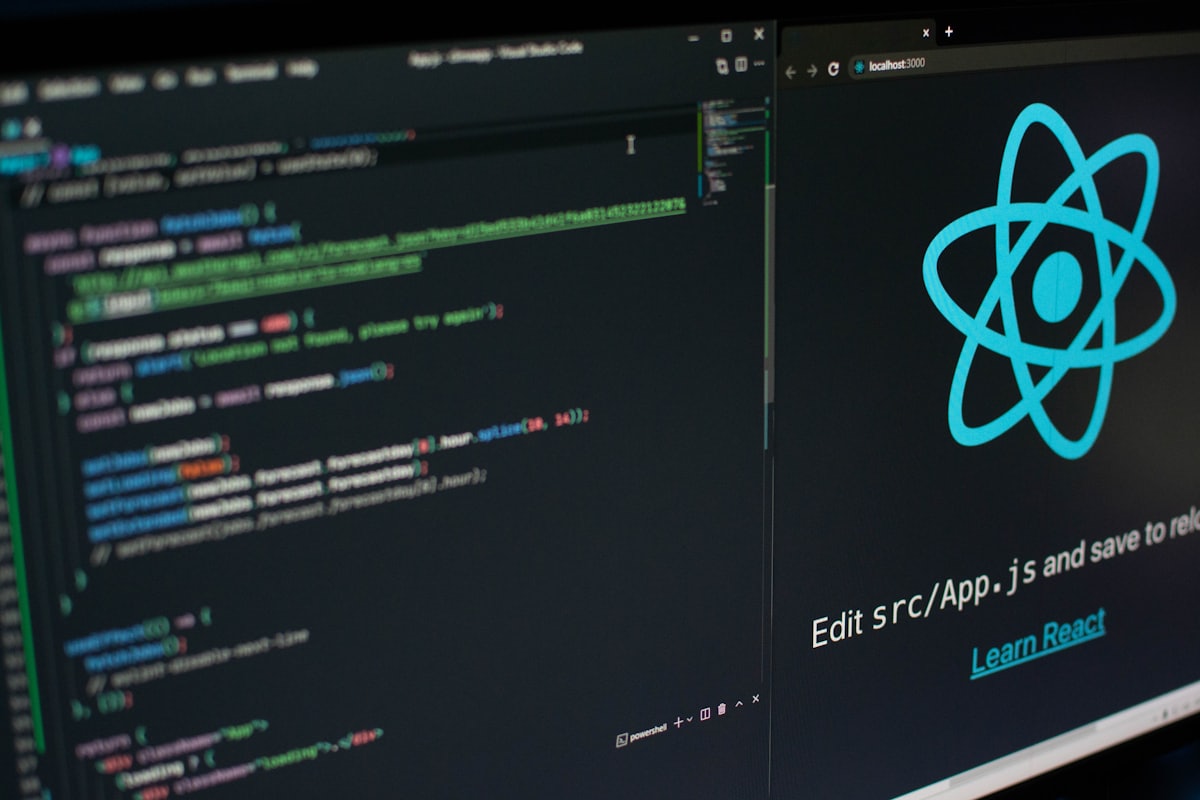
Source code open in an editor on a dark screen.
98
LighthousePerformance target

02 — App development

Android products built to survive a mid-range phone

Kotlin and Jetpack Compose, structured so a second developer can find their way around it. We profile on the hardware your users actually carry, not on the newest flagship, and we treat offline as a normal state rather than an error condition.

  • Offline-first data. The app keeps working on a train, then reconciles when the signal returns.
  • Store submission handled. Listing assets, policy review and staged rollout.
  • Crash reporting from day one. You see problems before your users report them.
  • Kotlin / Compose
  • Play Store release
  • Instrumented tests
  • API integration
A person using a mobile application on a smartphone.
Offline readySync on reconnect

03 — Content creation

Words written to fit the interface they live in

Brand messaging, product copy, launch campaigns and the small strings nobody budgets for — empty states, error messages, confirmation screens. Written alongside the design rather than poured into it afterwards, which is why it fits.

  • A voice guide you can hand to anyone. With examples of what to write and what to avoid.
  • UI copy included. Microcopy is part of the design work, not a separate line item.
  • Search-aware, not search-stuffed. Structured for how people actually query.
  • Brand voice guide
  • Page and UI copy
  • Launch campaign
  • Social assets
A creative workspace laid out with a keyboard, notebook and colour references.

04 — AI solutions

Automation where it pays, and a human where it matters

Support assistants, document processing, internal search, classification and the unglamorous glue between systems. We are specific about what a model is allowed to decide on its own — and we build the review step before the automation, not after the first bad output.

  • Evaluations before rollout. A test set drawn from your real data, with a pass mark agreed up front.
  • Cost modelled honestly. Per-request pricing projected at your real volume, not a demo's.
  • A fallback that works. When the model is unavailable or unsure, the product still functions.
  • Use-case audit
  • Evaluation suite
  • Integration build
  • Monitoring
A white humanoid robot, representing automated assistance.

05 — Cloud computing

Infrastructure that is boring on purpose

Containers, pipelines, environments and monitoring, sized to what you actually run. We would rather hand you a small, legible setup you can operate than an elaborate one that needs us on retainer to touch.

  • Infrastructure as code. Your environment is reproducible from the repository, not from memory.
  • Backups you have restored. An untested backup is a rumour; we run the restore with you.
  • Alerts that mean something. Tuned so a page at 3am is worth waking up for.
  • CI/CD pipeline
  • Staging + production
  • Monitoring + alerts
  • Runbook
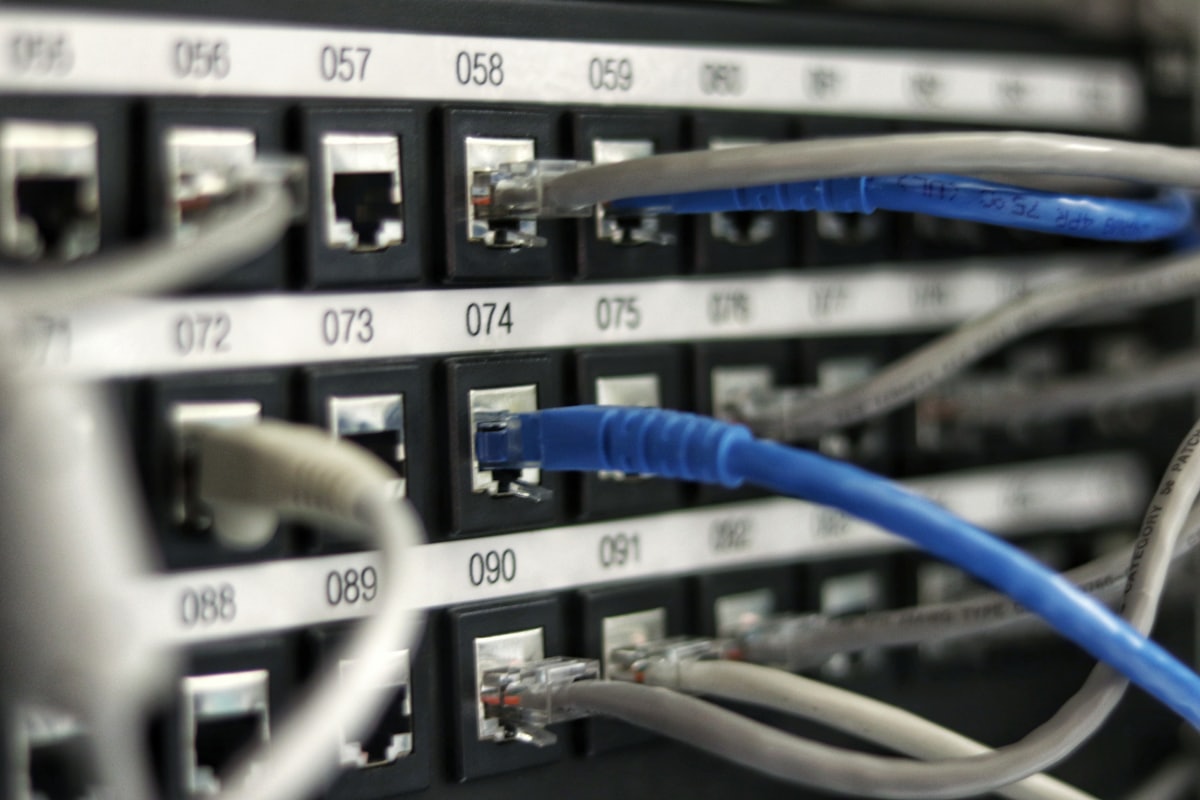
Network patch cables neatly routed in a server rack.
Zero-downtimeRolling deploys

06 — UI/UX design

A design system, not a folder of screens

Type scale, spacing, colour tokens, states and motion — defined once and reused everywhere, so the tenth screen costs a fraction of the first. Accessibility is checked as we go against WCAG 2.2 AA, because retrofitting it later is the expensive way to do it.

  • Tokens that map to code. The same names in Figma and in the stylesheet.
  • Every state drawn. Hover, focus, disabled, loading, empty and error — not just the happy path.
  • Contrast verified. Both themes, checked with a tool rather than an opinion.
  • Figma library
  • Design tokens
  • Prototype
  • A11y report
Interface wireframes being sketched by hand on paper.

Engagement

Three ways to work with us

Pick the one that matches where the project is, not where you wish it was.

Fixed-scope project

A defined outcome, a written scope and one number. Best when you know what you need built and want certainty on cost.

  • Most common
  • 2–12 weeks

Monthly partnership

A recurring block of the team's time for continuous work. Best when the roadmap is alive and priorities shift month to month.

  • Rolling
  • Cancel monthly

Audit & rescue

An independent read on an existing codebase: what works, what is risky, what stabilising it costs. You get the report either way.

  • 1–2 weeks
  • Fixed fee

Service FAQ

Before you ask

Can we hire you for just one service?

Yes. Plenty of projects are design-only or infrastructure-only. The services are connected because it helps when you want all of it, not because we bundle them by force.

Do you work with our existing team?

Often. We can take a workstream your team does not have capacity for, or sit alongside them in the same repository and review process. We will agree the boundary in writing so nobody duplicates work.

Will you use our stack instead of yours?

Usually, yes — inheriting a working codebase beats rewriting it. We will say so plainly if we think a piece of your stack is a genuine risk, but the choice stays yours.

What if the scope changes mid-project?

We price the change and you decide. Nothing gets added silently and nothing gets billed that you have not approved. Small adjustments inside the agreed scope are just part of the work.

Do you sign NDAs?

Yes, routinely, and before any detail of your project is discussed if you prefer. Send yours or ask for ours.

Next step

Not sure which service you need?

Describe the problem rather than the solution. We will tell you which of these it actually is — including when the answer is "none of them".